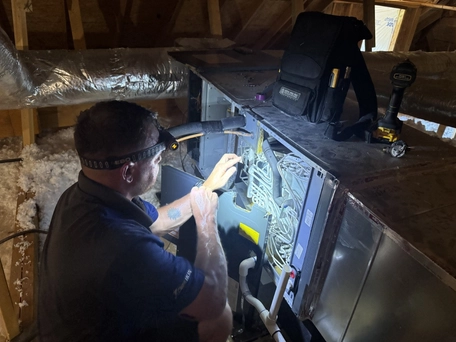
 Based on 300+ Reviews!
That First Cold Night Hits Different When You’re a Parent
It’s the first chilly night of the year. The kids are finally asleep. You nudge the thermostat up, and a few minutes later, a dusty, burning smell drifts down the hall.
Is that normal? Or should you be worried?
If you’ve ever stood in a dark hallway at 10 p.m. sniffing the air, you’re not alone. Your furnace burns gas just a few feet from where your children sleep. Most days, you never think about it. Then one strange smell or noise, and suddenly it’s all you can think about.
Here’s the good news. Regular furnace maintenance takes most of the guesswork away. In this guide, you’ll learn why Mississippi furnaces face risks that guides written for colder states skip, how carbon monoxide shows up in kids, what a real tune-up checks, and what you can safely handle yourself.
Why a “Barely Used” Furnace Can Be the Riskiest One
Most furnace advice is written for places like Minnesota. Central Mississippi is different. Your furnace might only run a few months a year, which sounds like less wear and tear.
In some ways, it’s the opposite.
A furnace that sits quiet from April to November collects dust on its burners. Mud daubers and wasps love to build nests inside vent pipes and air intakes over the summer. Mice hunt for warm, hidden spots as fall arrives. Then the first cold front rolls through, and your system fires up with whatever moved in while it slept.
Out of Sight, Out of Mind
There’s another Southern twist. Many homes in Pearl, Brandon, and Flowood have furnaces tucked into attics or hall closets. You might not lay eyes on yours for years.
Our sticky humidity plays a part, too. Long, damp months can rust burners, vent joints, and the heat exchanger. On a gas furnace, rust isn’t just ugly. It can be the first step toward a crack, and a crack is how carbon monoxide gets into your living space.
The Invisible Danger Every Parent Should Understand
What Carbon Monoxide Really Is
Carbon monoxide, or CO, is a gas made when fuel doesn’t burn all the way. You can’t see it. You can’t smell it. It won’t make your eyes water or your throat itch.
A healthy gas furnace sends CO safely outside through its vent pipe. Trouble starts when something breaks down. A cracked heat exchanger, a blocked flue, or a loose vent joint can let that gas spill into your home instead.
Why Kids Feel It First
Children breathe faster than adults, so they take in CO faster. Babies and toddlers also can’t tell you they feel “off.” That’s a scary thought, and it’s okay to feel uneasy about it.
Early CO symptoms look a lot like the flu. Headaches. Upset stomach. Sleepiness. Dizziness. Sound familiar? Every parent battles those all winter long.
But here’s what matters. Is the whole family sick at once? Do you all feel better away from home and worse when you come back? Is the dog moving slowly, too? Those are CO red flags. Get everyone outside into fresh air and call 911.
A Gas Leak Is a Different Kind of Emergency
Natural gas has no smell on its own. Gas companies add a chemical that smells like rotten eggs so you’ll notice a leak fast.
If you catch that smell, don’t hunt for the source. Don’t flip light switches or start a car in an attached garage. Get everyone out first, then call your gas company or 911 from outside. Practice this with your kids the same way you practice fire drills. It feels silly until the night it doesn’t.
Is Your Furnace Trying to Tell You Something?
Furnaces usually give hints before trouble turns dangerous. You just have to know what you’re hearing, seeing, and smelling.
| What You Notice | What It Might Mean | What to Do |
|---|---|---|
| Rotten egg smell | Possible gas leak | Leave the house now, then call the gas company or 911 |
| CO alarm sounds | Carbon monoxide in the home | Get everyone outside and call 911 |
| Yellow or flickering burner flame | Fuel isn’t burning cleanly | Shut the system off and call for service |
| Soot or rust near the furnace or vent | Poor venting or moisture damage | Schedule an inspection soon |
| Burning dust smell on the first cold night | Dust burning off idle burners | Normal if it fades within an hour |
| Loud bangs, booms, or rattles | Delayed ignition or loose parts | Call for a repair visit |
| Furnace cycles on and off a lot | Dirty filter, flame sensor, or overheating | Change the filter, then call if it keeps up |
That first-night burning smell trips up a lot of families. Usually, it’s harmless. The exception is a smell that lingers, gets stronger, or smells like hot plastic or rotten eggs. Trust your nose and make the call.
What a Real Tune-Up Checks (and What a Cheap One Skips)
Look, not every “tune-up” is the same. Some companies send someone to swap a filter, glance at the flame, and hand you a coupon. That’s not furnace maintenance. That’s a sales call with a toolbox.
The Safety Checks That Protect Your Family
The heat exchanger is the big one. It’s the metal wall that keeps flame and exhaust separate from the air your kids breathe. A trained tech inspects it closely for cracks, rust, and hot spots.
A thorough visit also tests CO levels in the exhaust and around the unit. The tech checks that the vent pipe is sealed and drafting outside the way it should. Gas pressure, burners, the flame sensor, and every safety switch get a look, too. Those switches are what shut your furnace down when something goes wrong, so they have to work every single time.
The Checks That Save You Money
Once safety is covered, the focus turns to performance. That means cleaning the burners, checking the blower motor, tightening electrical connections, and making sure your thermostat reads true. A clean, tuned furnace runs shorter cycles, which means lower gas bills.
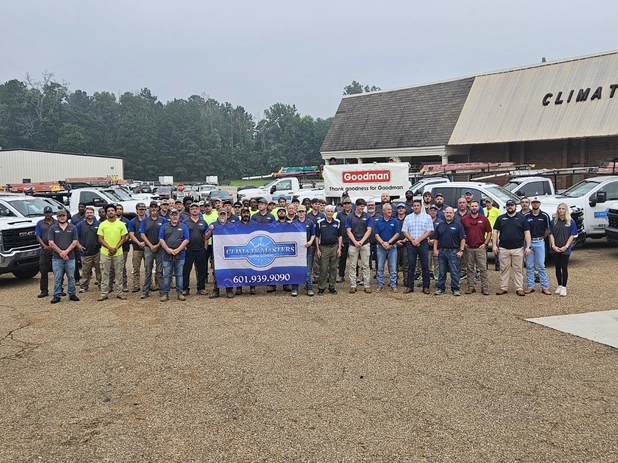
At Climate Masters, our maintenance agreements follow a detailed 20-point checklist each spring and fall. You get heating and cooling covered, priority service when the weather turns, and 10% off replacement parts. And here’s the thing: you’re not getting a random stranger every visit. You’re getting a team that’s been taking care of Central Mississippi homes since 1975 and wants to know your system for years to come.
Five Minutes a Month: What Parents Can Safely Do
You don’t need a tool belt to make your home safer. A few simple habits go a long way.
Start with the air filter. Check it every month during heating season and change it when it looks gray. Homes with pets, allergies, or little ones who stir up dust may need a fresh one more often.
Next, look at your CO alarms. You want one on every level of the house and one outside each sleeping area. Press the test button once a month. Most alarms wear out in five to ten years, so check the date on the back. If you can’t find one, it’s probably time.
The Three-Foot Rule
Here’s one that sneaks up on busy families. Furnace closets turn into storage closets. Laundry piles up. Toy bins get shoved in. Christmas boxes land there in November.
Keep at least three feet clear around your furnace. It needs air to burn safely, and nothing near it should be able to catch fire. While you’re at it, peek at the outside vent and clear away leaves or nests.
Where DIY Stops
This doesn’t work for everything. Don’t take off the furnace panels. Don’t try to relight a burner if you smell gas. Never cover or tape a vent, even if it’s drafty. And if a safety switch keeps shutting the furnace off, that’s not a glitch to reset over and over. It’s a warning to schedule a furnace repair.
Repair or Replace? You Deserve a Straight Answer
It’s frustrating when a tech finds a problem and you can’t tell if you’re getting honest advice or a sales pitch. You might feel stuck between “fix it again” and “spend thousands.”
Here’s a fair rule of thumb. Most gas furnaces last around 15 to 20 years. A younger furnace with a worn part is usually worth repairing. A cracked heat exchanger on an older unit is a different story, since that part is the core of your family’s safety.
The team at Climate Masters will tell you plainly when a repair is the smarter call. If it truly is time, you can explore furnace replacement options and flexible financing from a company that will still be around to honor your warranty. Curious what that feels like? Read what longtime customers say, some of whom have been with us for 30 years.
Frequently Asked Questions
When should I schedule furnace maintenance in Mississippi?
Aim for September or October, before the first real cold front. Waiting until the first freezing night means waiting in line with everyone else. If you have a maintenance plan, pair a fall heating visit with a spring cooling visit so both systems stay covered.
Can a furnace leak carbon monoxide even if it’s fairly new?
Yes. Age raises the risk, but a newer furnace can still leak CO from a blocked vent, a loose flue joint, or a nest in the exhaust pipe. That’s why an annual safety check matters for every furnace, not just old ones.
Do I still need CO alarms if my furnace gets serviced every year?
Absolutely. Maintenance lowers the risk, but alarms catch problems between visits. They also guard against other CO sources, like gas water heaters, gas stoves, cars in attached garages, and generators run too close to the house during storms.
Does skipping maintenance affect my warranty?
It can. Many manufacturers expect proof of regular maintenance before they’ll cover parts. New installs from Climate Masters include a 1-year labor warranty, and registered parts can qualify for 10-year coverage, so keeping up with yearly visits protects your investment. Have more questions? Visit our HVAC FAQ page.
Warm Kids, Quiet Nights, and Peace of Mind
Your furnace works hard for a few months and hides the rest of the year. That’s exactly why it’s easy to forget, and why Mississippi homes need a yearly check before the cold sets in.
Keep the big lessons close. Know the rotten egg smell and the CO warning signs. Put alarms near every bedroom. Keep the furnace closet clear. And let a trained tech inspect the heat exchanger, venting, and safety switches every fall.
There’s real relief in knowing the system down the hall is safe while your kids sleep. Climate Masters has been helping Central Mississippi families get there since 1975, from Pearl to every town in our service area. Call 601-939-9090 or request your furnace maintenance visit today. Comfort for the long haul starts with one visit.