 Based on 300+ Reviews!
Your Furnace Slept All Summer. That’s the Problem.
Your heating bill went up again. You didn’t change the thermostat, and nobody’s leaving the door open. So what happened?
If your gas furnace is 10, 15, or even 20 years old, you’re not imagining things. Older furnaces slowly lose efficiency, and most people never notice until the bill shows up. It’s frustrating. You’re paying more for the same warm house, and nobody can tell you why.
Here’s the thing: in Central Mississippi, your furnace might only run three or four months a year. That sounds like it should mean less wear. In reality, those long idle months are when a lot of damage happens.
In this guide, you’ll learn why furnace maintenance matters more in a humid climate, the hidden causes behind rising heating bills, what a real tune-up checks, and when fixing an old furnace stops making sense.
Why Mississippi Furnaces Wear Out While Doing Nothing
Most furnace advice online is written for places like Ohio or Minnesota. Up there, a furnace runs hard for six months straight. Down here, the story is different.
The AC Coil Sitting on Top of Your Furnace
In a lot of Central Mississippi homes, the gas furnace sits in the attic or a closet with the air conditioner’s indoor coil mounted right on top. All summer long, that coil pulls water out of our sticky air. That’s its job.
But here’s what matters. Moisture from that coil, plus a hot, humid attic, can slowly rust the furnace parts underneath. Burners corrode. Rust flakes drop onto the burner tray. Over time, the heat exchanger (the metal wall that keeps flames and exhaust away from your air) can weaken.
You won’t see any of this from the hallway. A technician with a flashlight and a mirror will.
Uninvited Guests in the Flue
Sound familiar? You fire up the heat on that first cool November night, and the house smells like burning dust. Some of that is normal for a few minutes.
But a vent pipe that sat untouched for eight months can also collect wasp nests, mud dauber tubes, leaves, or even a bird’s nest. A blocked vent doesn’t just hurt efficiency. It can push exhaust gases back toward your living space. That’s a safety issue, not a comfort issue.
The Hidden Reasons Your Heating Bill Is Climbing
Look, a higher bill isn’t always the furnace’s fault. Gas prices change. A cold snap can double your run time in a week. But if your bill keeps rising year after year, your furnace is often losing ground in small ways that add up.
The Tiny Sensor That Causes Big Trouble
Every modern gas furnace has a flame sensor. It’s a thin metal rod that confirms the burners actually lit. When it gets coated with grime, the furnace can’t “see” the flame. So it shuts off, waits, and tries again.
That stop-and-start pattern is called short cycling. Your furnace burns gas to warm up, shuts down before it gets anywhere, and starts over. You pay for the warm-up over and over. A dirty flame sensor takes minutes to clean, but it can quietly waste money for years.
Airflow Problems You Can’t See
Your furnace needs air moving freely to work well. A clogged filter, a dusty blower wheel, or a leaky duct in the attic all choke that airflow.
When air can’t move, the furnace runs longer to hit the same temperature. The U.S. Department of Energy says replacing a dirty filter alone can cut an HVAC system’s energy use by 5% to 15%. Now imagine a filter, a dirty blower, and a disconnected duct all at once.
Comparing the Most Common Culprits
Here’s a quick look at what usually drives up bills on aging gas furnaces, and who should handle each one.
| Problem | What You Might Notice | Why It Raises Your Bill | Who Should Fix It |
|---|---|---|---|
| Dirty air filter | Weak airflow, dusty vents | Furnace runs longer to heat the house | You (every 1–3 months) |
| Dirty flame sensor | Furnace turns on, then off, then on again | Wasted gas on repeated start-ups | Licensed technician |
| Dirty blower wheel | Rooms heat slowly, louder fan | Less warm air delivered per hour | Licensed technician |
| Leaky attic ducts | Some rooms always colder | Heated air escapes into the attic | Licensed technician |
| Rusted or dirty burners | Yellow or uneven flames | Gas burns incompletely | Licensed technician |
| Thermostat issues | House never feels right | Furnace runs at the wrong times | You or a technician |
| Worn-out furnace (15+ years) | Steady rise in bills, frequent repairs | Older models waste more fuel by design | Repair-or-replace conversation |
Notice that only two rows say “you.” That’s not a sales pitch. Gas, flames, and electrical parts just aren’t a weekend DIY project.
What Real Furnace Maintenance Actually Includes
Not every “tune-up” is the same. Some companies send someone out to change your filter, glance at the unit, and hand you a coupon. That’s not maintenance. That’s a sales visit.
A Checklist You Can Hold Someone To
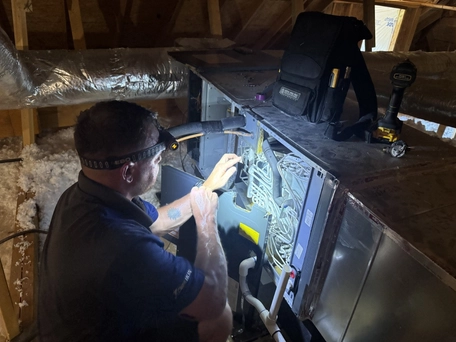
A thorough fall visit should cover the safety checks first, then the efficiency checks. At Climate Masters, our seasonal maintenance agreement follows a detailed spring-and-fall checklist, so nothing gets skipped because someone was in a hurry.
On the safety side, that means checking the heat exchanger for cracks, testing for carbon monoxide, confirming the vent pipe is clear, and making sure safety switches shut the furnace down when they should.
On the efficiency side, it means cleaning the flame sensor and burners, checking gas pressure, inspecting the blower, testing the igniter, and watching the furnace run a full cycle. That last part matters. A lot of problems only show up after the furnace has been running for a few minutes.
Why the Same Technician Matters
Here’s something most articles won’t tell you. The best maintenance visit isn’t just about the checklist. It’s about who’s holding it.
A tech who’s seen your furnace before notices changes. Rust that’s spreading. A burner that looks worse than last year. A sound that’s new. One of our longtime customers put it simply: during a routine check, his tech spotted a problem early that would’ve turned into a breakdown later. He’s been with us for over 30 years. That kind of trust doesn’t come from a one-time visit.
When to Repair and When to Let It Go
You might feel stuck here. Your furnace still runs. Replacing it feels huge. But every year, the bills creep up and the repairs get pricier.
Honest Signs It’s Time to Talk Replacement
The exception to “just maintain it” is a furnace that’s become unsafe or a money pit. A cracked heat exchanger is the big one. On many older furnaces, that repair costs so much that replacement makes more sense.
Age matters too. Most gas furnaces last around 15 to 20 years with good care. If yours is in that range and needs a major repair, it’s worth a straight conversation. Many older furnaces were built to lower efficiency standards, so even a perfect tune-up can’t make them as efficient as a modern unit.
But here’s what matters most. A good HVAC company should tell you when a furnace repair is the smarter choice. Replacement shouldn’t be the automatic answer just because your system has a few gray hairs.
Don’t Get Pushed Into a Decision
It’s stressful when someone stands in your hallway telling you that you need a new system today. Take a breath. Ask for photos of the problem. Ask what the repair would cost compared to furnace replacement. Ask how many more years the repair would realistically buy you.
And if replacement does make sense, check whether financing options can spread the cost out. Nobody should freeze through January because a big bill landed at the wrong time.
Why the Company Behind Your Furnace Matters
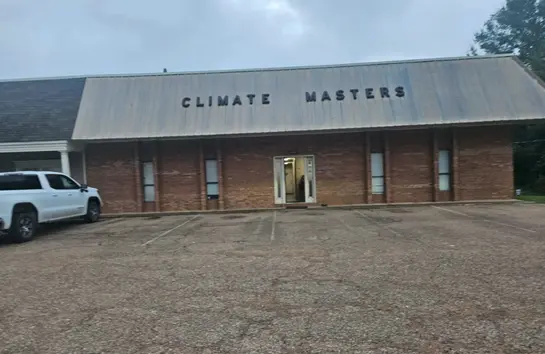
Climate Masters has been keeping Central Mississippi homes comfortable since 1975. We do heating and air, and that’s it. No plumbing trucks, no appliance side business. Just one craft, done well for over 50 years.
That focus means something real for you. When we install or repair your furnace, we’re still around years later when the warranty matters. Our team includes techs customers ask for by name, because they’ve seen the same faces season after season. That’s what we mean by comfort for the long haul.
Frequently Asked Questions
How often does a gas furnace need maintenance in Mississippi?
Once a year, ideally in early fall before the first real cold snap. Since your furnace sits idle most of the year, a fall visit catches rust, nests, and dust buildup before you need heat. If you pair it with a spring AC visit, you cover the whole system.
Can furnace maintenance actually lower my heating bill?
Yes, but be realistic. Maintenance restores efficiency your furnace has lost to dirt, poor airflow, and worn parts. It can’t make an old furnace perform like a new one. If your bills are still climbing after a proper tune-up, that’s useful information for your repair-or-replace decision.
Is it worth maintaining a furnace that’s over 15 years old?
Absolutely, and arguably more than a new one. Older furnaces are more likely to develop heat exchanger cracks and carbon monoxide risks. Annual inspections are your best early warning. They also help you plan for replacement on your schedule instead of in an emergency.
What’s the one thing I can do myself?
Change your air filter regularly, usually every one to three months depending on the filter type, pets, and dust. It’s cheap, quick, and one of the easiest ways to keep airflow strong. Leave anything involving gas, flames, or wiring to a licensed technician.
Stop Paying for Heat You’re Not Getting
Rising heating bills on an older gas furnace usually aren’t a mystery. They’re dirty sensors, choked airflow, summer moisture damage, and small problems stacking up over time. The good news? Most of them are fixable, and regular furnace maintenance catches them early.
Want a straight answer about your furnace? Call Climate Masters at (601) 939-9090 or request service online. We’ll tell you what’s going on, what it costs, and whether repair makes more sense than replacement. Then we’ll stick around for the long haul.