 Based on 300+ Reviews!
The First Cold Night Is When Old Furnaces Quit
It’s the first real cold snap of the year. You walk to the thermostat, bump it up to 70, and wait. And wait.
Instead of that warm whoosh, you hear a click. Then nothing.
If your furnace is more than 10 years old, you’ve probably pictured this exact moment. Maybe you’ve even lain awake wondering if this is the year it finally gives out. That worry is real. It’s also fair.
Here’s the good news. Most mid-winter breakdowns don’t come out of nowhere. They start as small problems that good furnace maintenance can spot in the fall, while the weather is still mild. In this guide, you’ll learn why older furnaces in Central Mississippi wear out in a surprising way, what a real tune-up checks, what you can safely do yourself, and how to tell when repair stops making sense.
Why Mississippi Furnaces Age in a Strange Way
Look, our furnaces don’t work very hard. In a typical Central Mississippi winter, your heat runs hard for a few cold weeks, plus some chilly mornings. Up north, a furnace can run most of the day for five straight months.
So why do ours still break down? Because time and humidity hurt them more than hours of use do.
Eight Months of Sitting Still
A furnace that sits all summer collects dust on its burners and flame sensor. Spiders and mud daubers love the dark, quiet spots near the burners and vent pipe. Then the first cold morning shows up, and your system is expected to fire right up like nothing happened.
That burning-dust smell on the first run? Usually normal. But a furnace that lights, runs a few seconds, and shuts off? That’s often a dirty flame sensor. It’s one of the most common no-heat problems we see in the fall.
The Air Conditioner Sitting on Top of It
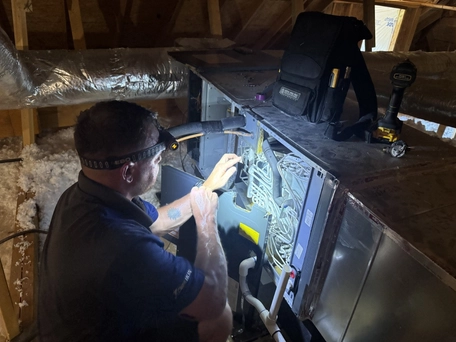
Here’s the thing most homeowners never hear. In many Mississippi homes, the AC’s indoor coil sits right on top of the gas furnace, often in a hot attic. All summer, that coil pulls gallons of water out of our sticky air.
When the drain pan rusts or the drain line clogs, that water can drip down into the furnace. Over the years, it rusts burners, controls, and even the heat exchanger. A 12-year-old furnace in a damp attic can look older than a 20-year-old one in a dry northern basement.
That’s why a solid fall check doesn’t stop at the furnace. It looks at the coil, the pan, and the drain above it, too.
What a Real Furnace Tune-Up Should Cover
Not every “tune-up” is the same. Some are a quick glance and a new filter. A thorough heating check tests the parts that actually fail on older gas furnaces.
The table below shows what the fall check in the Climate Masters HVAC maintenance agreement covers. It also explains why each step matters more once your furnace passes the 10-year mark.
| Fall Check Step | What It Catches | Why It Matters on a 10+ Year Furnace |
|---|---|---|
| Clean the flame sensor | Carbon and dust buildup | The top reason a furnace lights, then shuts right back off |
| Check the igniter | Cracks and weak ignition | Igniters wear out, and old ones love to fail on the first cold night |
| Check inducer fan motor amperage | A motor straining to run | High amp draw warns that the motor is near the end of its life |
| Check heat temperature rise | Heat moving through the furnace too fast or too slow | An out-of-range rise can overheat and stress the heat exchanger |
| Check airflow (CFM) | Weak airflow from dirty parts or ducts | Poor airflow makes an older furnace run hot and shut itself off |
| Inspect the blower motor | Worn parts and a dirty blower wheel | No blower means no warm air, even when the burners light |
| Check all electrical connections | Loose or scorched wires | Years of heat and shaking loosen connections |
| Check the coil, drain pans, and drain lines | Rust, sludge, and clogs | Keeps AC water from dripping onto and rusting the furnace |
Let’s Talk About Carbon Monoxide
This is the scary part, so let’s be honest about it. An older gas furnace can develop cracks or rust-through in the heat exchanger. That can let carbon monoxide (CO) leak into your home.
You can’t see or smell CO. So keep working CO alarms near bedrooms and on every level, and test them twice a year. If one ever goes off, get everyone outside first. Then call 911 or your gas company before you call anyone else.
Small Habits That Save You a Cold Night
You don’t have to be handy to help your furnace. A few simple habits go a long way.
Start with the filter. In most Mississippi homes, the same filter serves both the AC and the furnace, so it works all year long. Check it once a month. Most 1-inch filters need a swap every one to three months, and sooner if you have pets.
Next, give your furnace some breathing room. Attic furnaces tend to collect storage boxes, holiday decor, and old paint cans. Keep anything that can burn at least a few feet away from the unit.
Then do a test run. Mid-October is perfect. Switch your thermostat to heat and set it a few degrees above room temperature. If warm air shows up within a few minutes, great. If not, you just found the problem on a 70-degree afternoon instead of a 25-degree night. Sound like a better deal?
Finally, peek at the pan under the unit. Standing water or rust streaks on the furnace cabinet are early warning signs. Don’t ignore them.
But here’s what matters most. Anything that involves the gas valve, the burners, or the furnace’s inner panels belongs to a licensed technician. Saving a service fee isn’t worth a gas leak or a CO problem.
Repair or Replace? A Straight Answer
You might feel stuck right now. Nobody wants to pour money into an old furnace that dies next year anyway. But nobody wants to get pushed into a brand-new system they don’t need, either.
Most gas furnaces last about 15 to 20 years with good care. So age alone doesn’t mean it’s time to replace. A 14-year-old furnace with clean burners, a solid heat exchanger, and strong airflow can keep going for years.
Replacement starts to make sense when the heat exchanger is cracked or rusted through. It also makes sense when one repair costs close to half the price of a new furnace, or when you’re calling for service every winter. Rising gas bills and rooms that never feel warm are clues, too.
The exception? If your furnace and your AC are both past 15, it’s often smarter to replace them together. They share the same blower and coil, so matching them can save on labor and help both run better.
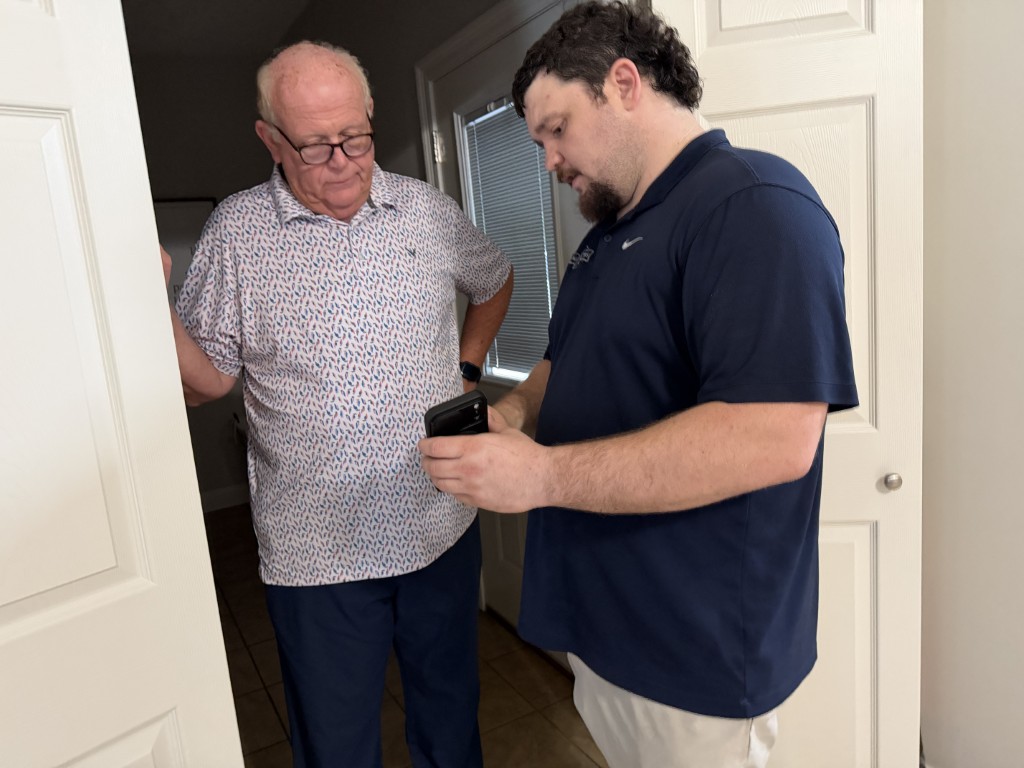
If a furnace repair will buy you several good years, you deserve to hear that. If it won’t, you deserve to know your options for furnace replacement and the financing plans that fit your budget.
The Secret Most Checklists Leave Out
Want to know what really catches problems early? It’s not just the checklist. It’s the person holding it.
A tech who has seen your furnace three falls in a row knows what “normal” looks like for your system. They notice the rust spot that grew a little since last year. They hear when the inducer motor sounds rougher than it used to. That kind of memory turns a surprise breakdown into a planned, low-stress fix.
Our own customers say it best. One homeowner who has used us for more than 30 years wrote that his tech, Kevin, found a developing problem during a routine maintenance visit, well before the weather turned it into a breakdown. That’s exactly what maintenance is supposed to do.
Climate Masters has kept Central Mississippi homes comfortable since 1975, and heating and air is all we do. Our maintenance members get two tune-ups a year (spring for cooling, fall for heating), priority on service and emergency calls, and 10% off parts (refrigerant not included). That priority matters on the first cold snap, when everyone in town calls at once.
You can meet the team who’ll be in your home, or read what our customers say about the techs they’ve come to know by name.
Frequently Asked Questions
How often does a gas furnace need maintenance?
Once a year, ideally in the fall before you need heat. In Central Mississippi, September through early November works best, before the first freeze and the rush of no-heat calls. Pair it with a spring AC check, and your whole system gets looked at twice a year.
Is furnace maintenance still worth it on a furnace over 10 years old?
Yes, and it may matter more. Igniters, flame sensors, and inducer motors are wear parts, and they’re the ones that tend to fail in older furnaces. A fall visit tests them while the weather is mild, and it checks the heat exchanger for rust or cracks that can affect your family’s safety.
Why does my furnace smell like burning when I first turn it on?
That’s usually months of dust burning off the burners, and it should fade within an hour or so. If the smell lingers, or smells like hot wires, turn the system off and call for service. A rotten-egg smell means possible gas, so leave the house and call your gas company right away.
My furnace barely runs in Mississippi. Can it really wear out?
It can. Humidity, condensation from the AC coil above it, long idle months, and pests all take a toll even with few run hours. That’s why a 10-plus-year-old Mississippi furnace often fails from rust or dirt rather than from being worn out by use.
Stay Warm Without the Worry
An aging furnace doesn’t have to mean a winter of crossed fingers. Most breakdowns give early warning signs, and a thorough fall check is how you catch them. Change your filter, keep the area clear, test your heat early, and keep your CO alarms working. Then let a trusted tech handle the rest.
Whether you need a tune-up, a repair, or an honest talk about replacement, Climate Masters is here for the long haul. Call us at 601-939-9090 or request service online to book your fall furnace maintenance before the first cold night beats you to it.